



Contraceptive ring (vaginal ring)
A contraceptive ring is a flexible plastic ring that a woman inserts into her vagina to prevent pregnancy. The ring releases hormones and acts in the same way as the contraceptive pill. Because hormones can have side-effects and hormonal contraception is not appropriate for all women, you need a prescription from a doctor to obtain the contraceptive ring.
A woman using a contraceptive ring does not have a natural menstrual cycle and does not ovulate.
As long as the ring is always changed promptly, it is a very reliable form of contraception.

Method of action
The contraceptive ring works like this.
How to use the contraceptive ring
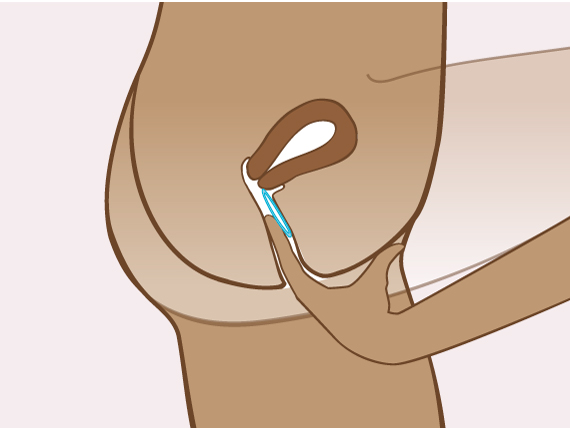
The woman inserts the ring into the vagina, like a tampon. The ring stays in place for three weeks. Then it is removed using a finger. After seven days without a ring, the woman inserts a new one.
During the ring-free week, most women experience bleeding, although it is less heavy than a natural menstrual period (menstruation). The woman is still protected against pregnancy during this time.
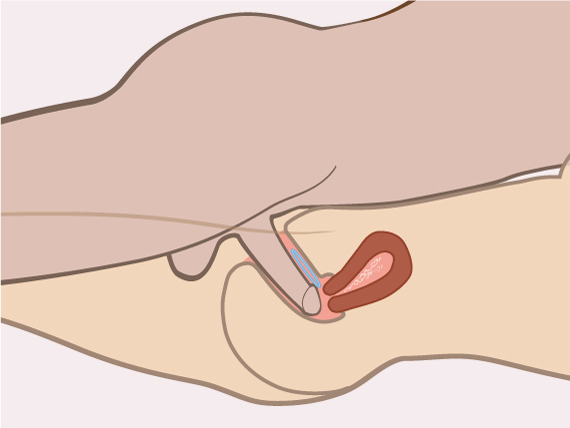
If you can feel the ring during sexual intercourse, you can take it out temporarily. You must put it back after no more than three hours.
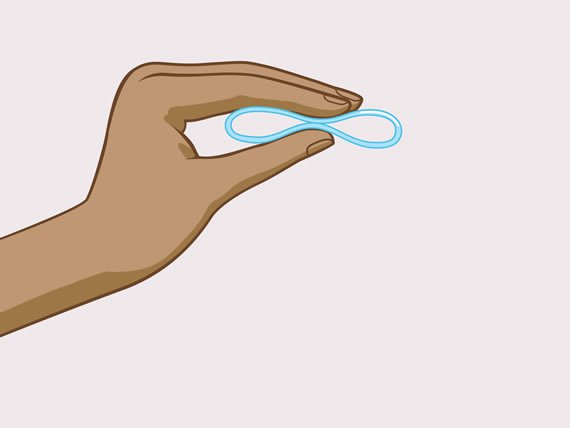
- Squeeze the ring.
- Push the ring up as high as possible with one finger.
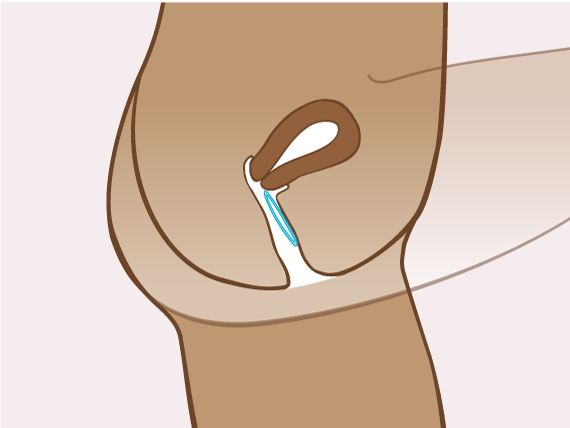
- The ring is now in the correct position in the vagina.
- Normally the ring will stay in place even during sexual intercourse. If you can feel it, you can take it out temporarily, but you must put it back within three hours.
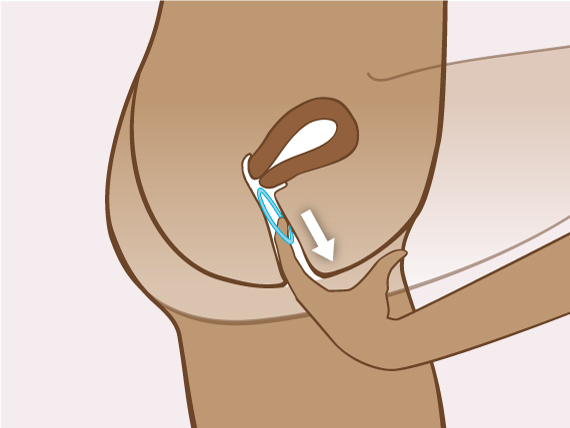
- When you have had the ring in place for three weeks, you can remove it. Hook a finger into the ring and remove it carefully.
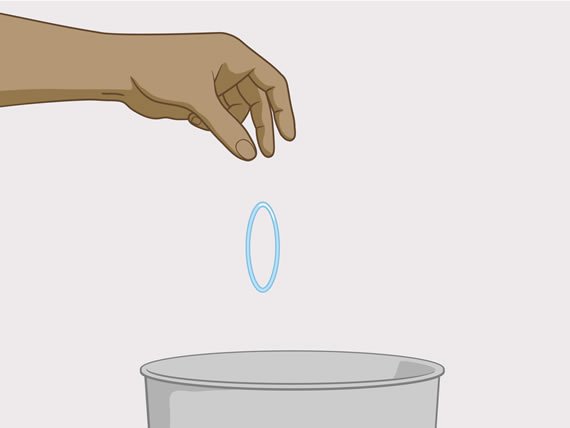
- Throw the ring away in a garbage bin. After a break of one week, insert a new ring.
What reduces its reliability?
- If you remove the ring for more than three hours: put it back straight away. As a precaution, you should use an additional method of contraception, such as a condom, for the next seven days.
- If you insert your new ring too late after the seven-day break: you should use an additional method of contraception, such as a condom, for the next seven days. If you have unprotected sexual intercourse in the meantime, you may need the emergency contraceptive pill.
- If you are taking medicines for epilepsy or viral diseases, specialized antibiotics for tuberculosis or products containing St. John’s wort: consult your doctor.
Health effects
- Some women experience nausea, dizziness, headaches or mood swings because of the hormones in the contraceptive ring. Depressive moods and reduced libido are also possible.
- Vaginal infections and increased discharge may occur.
- The contraceptive ring slightly increases your risk of suffering thrombosis, myocardial infarction, stroke or certain cancers. However, serious health problems are rare.
- Bleeding is generally less heavy, lasts for a shorter time and is less painful than natural menstruation.
Cost
You can buy the contraceptive ring from a pharmacy, but only with a prescription. It costs around 20 euros. A pack of three or six rings is considerably cheaper.
Young women with statutory health insurance may be covered for the cost of contraceptive rings until their 22nd birthday. Ask your doctor.